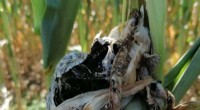
Biological control is a method of pest management that uses natural enemies (like predators, parasites, or pathogens) to suppress pest populations. It's a more environmentally friendly approach compared to chemical pesticides, offering long-term solutions and minimizing harm to beneficial organisms.
Here's how it works:
1. Identify the pest: First, you need to know what pest you're dealing with.
2. Find its natural enemy: Research existing predators, parasites, or pathogens that target this specific pest.
3. Introduce the natural enemy: Depending on the situation, you can:
* Augmentation: Introduce a large number of the natural enemy directly into the environment.
* Conservation: Create an environment that supports the natural enemy's survival and reproduction.
* Classical biological control: Introduce a new natural enemy from the pest's native region. (This requires careful study to ensure no negative impacts on the ecosystem.)
Examples of biological control:
* Ladybugs: Devour aphids, a common pest in gardens.
* Praying Mantises: Feed on a wide variety of insects, including moths, flies, and grasshoppers.
* Parasitic Wasps: Lay their eggs inside other insects, eventually killing the host.
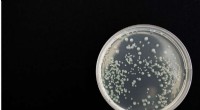
* Bacillus thuringiensis (Bt): A bacterium that produces toxins lethal to specific insect pests.
Using biological control for pests:
* Home gardens: Attract beneficial insects by planting flowering plants, providing water sources, and using organic gardening practices.
* Farms: Release beneficial insects or use commercially produced biopesticides.
* Forests: Introduce natural enemies to control invasive species.
Advantages of biological control:
* Environmentally friendly: Minimizes chemical pollution and harm to beneficial organisms.
* Long-term control: Can create a sustainable balance between pest and predator populations.
* Reduces reliance on pesticides: Protects human health and the environment.
Limitations:
* Requires patience: May take time to establish effective control.
* Not always a quick fix: Sometimes, other methods are needed in combination.
* Needs careful research and planning: Incorrect application can lead to unintended consequences.
Before using biological control:
* Consult a professional: Experts can help you choose the right method and ensure its effectiveness.
* Do your research: Understand the specific natural enemy and its impact on the environment.
* Monitor the results: Track the pest population and adjust your approach as needed.
Biological control is a powerful tool for sustainable pest management, offering a natural and environmentally friendly approach to protect our crops, gardens, and ecosystems.