Here's why:
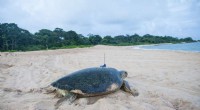
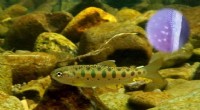
* Diploid Stage: Most animals spend the majority of their lives in a diploid state, meaning they have two sets of chromosomes (one from each parent). This includes all the stages of development from zygote to adulthood.
* Haploid Stage: The haploid stage, where cells only have one set of chromosomes, is limited to the gametes (sperm and egg). These cells are produced through meiosis, a process that reduces the chromosome number by half.
Exceptions:
* Some Insects: In certain insect groups like bees and wasps, the males are haploid, developing from unfertilized eggs. However, females are still diploid.
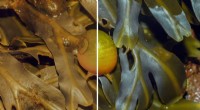
* Some Fungi and Algae: Some organisms like fungi and algae have more complex life cycles where both haploid and diploid stages may be multicellular and have a significant duration.
In summary: The majority of animals spend the majority of their life cycle in a diploid state, with the haploid stage being limited to the gametes.