1. Gene Isolation: The desired human gene is first isolated from human cells. This is usually done using techniques like PCR (polymerase chain reaction) or restriction enzymes.
2. Vector Construction: The isolated human gene is then inserted into a special type of DNA molecule called a vector. Vectors are often derived from plasmids (small circular DNA molecules found in bacteria) or viruses.
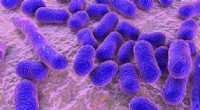
3. Transformation: The vector containing the human gene is introduced into bacteria, which are then grown in a culture medium. The bacteria are genetically modified to accept the new DNA.
4. Gene Expression: Once inside the bacteria, the vector replicates along with the bacterial DNA, making multiple copies of the human gene. The bacterial machinery reads the human gene and produces the corresponding protein. This is known as gene expression.
5. Protein Purification: The protein product, which is now present in large quantities in the bacterial culture, is then purified and extracted.
Key points:
* No creation, just copying: Bacteria don't "create" human genes from scratch; they simply replicate existing genes that have been inserted into them.
* Protein production: The main goal of using bacteria is to produce large amounts of the protein encoded by the human gene.
* Applications: This technique has numerous applications in medicine, biotechnology, and research, such as the production of insulin for diabetics, growth hormone for growth disorders, and antibodies for various diseases.
Important Note: There are ethical considerations and safety concerns surrounding the use of genetically modified organisms, including bacteria. Strict regulations and research guidelines are in place to ensure responsible use and minimize potential risks.