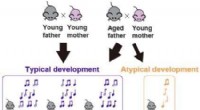
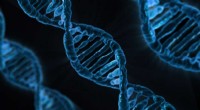
* Genetic Code: DNA contains the genetic code, a set of instructions that dictates the traits of an organism. These instructions are passed down from parent to offspring.
* Proteins: DNA provides the blueprint for creating proteins, which are the building blocks and workhorses of the cell. Proteins are responsible for a vast array of functions, including:
* Structure: Providing shape and support to cells and tissues.
* Enzymes: Catalyzing biochemical reactions.
* Hormones: Acting as chemical messengers.
* Antibodies: Defending against pathogens.
* Inherited Traits: The sequence of DNA determines the specific proteins produced, and these proteins ultimately define the physical, biochemical, and even behavioral characteristics of an organism. This includes things like eye color, hair texture, height, susceptibility to certain diseases, and even personality traits.
Other Cellular Components:
While DNA is the primary determinant, other cellular components also play a role in shaping the characteristics of a living thing:
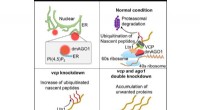
* RNA: RNA carries genetic information from DNA to the ribosomes, where proteins are synthesized.
* Ribosomes: Ribosomes are the sites of protein synthesis.
* Mitochondria: These organelles generate energy for the cell, which is essential for all cellular processes.
* Cell Membrane: The membrane controls what enters and exits the cell, maintaining internal balance.
In Conclusion:
The DNA within a cell's nucleus holds the blueprint for an organism's characteristics. This blueprint is translated into proteins, which are responsible for a wide range of cellular functions that ultimately determine the unique features of a living thing.