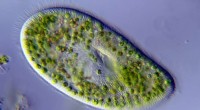
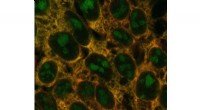
1. Cells: The most basic level. These are the fundamental units of life.
* Example: A muscle cell (myocyte), a nerve cell (neuron), a red blood cell (erythrocyte)
2. Tissues: Groups of similar cells that work together to perform a specific function.
* Example:
* Muscle tissue: Composed of muscle cells, responsible for movement.
* Nervous tissue: Composed of neurons, responsible for transmitting signals.
* Connective tissue: Composed of various cell types and extracellular matrix, provides support and structure.
* Epithelial tissue: Composed of tightly packed cells, forms linings and coverings.
3. Organs: Structures made up of different tissues that work together to perform a specific function.
* Example:
* Heart: Composed of muscle tissue (for pumping), connective tissue (for structure), and nervous tissue (for regulation), responsible for circulating blood.
* Brain: Composed of nervous tissue, responsible for processing information and controlling bodily functions.
* Stomach: Composed of muscle tissue (for churning), epithelial tissue (for lining), and connective tissue (for support), responsible for digesting food.