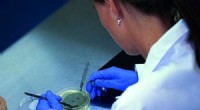
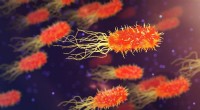
1. Microbiology: This entire branch of biology is essentially built on the microscope. The invention allowed scientists to see microorganisms like bacteria, viruses, and fungi for the first time, leading to breakthroughs in understanding disease, sanitation, and even the very basis of life.
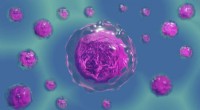
2. Cellular Biology: The discovery of cells, the fundamental unit of all living organisms, was directly enabled by the microscope. This field studies the structure, function, and behavior of cells, impacting our understanding of everything from genetics to medicine.
3. Histology: The study of tissues, how they are organized, and how they function relies heavily on the microscope. Histology plays a crucial role in understanding the structure of organs, diagnosing diseases, and developing new medical treatments.
4. Pathology: The diagnosis and study of disease depends on the microscope for examining tissues and cells, allowing pathologists to identify and understand disease processes.
5. Forensic Science: Microscopes are essential in crime scene investigations, for examining fibers, hairs, and other trace evidence that might link suspects to the crime.
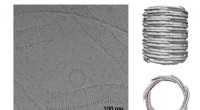
6. Material Science: Microscopes are widely used in materials science to study the structure and properties of materials at the microscopic level, aiding in the development of new materials with specific properties.
It's important to note that these sciences existed in some form *before* the microscope. However, the invention fundamentally changed how we could observe and understand the world at a microscopic level, leading to a massive explosion of knowledge and discovery in these fields.