Here's how it works:
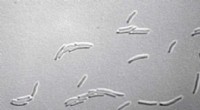
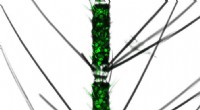
1. Fragmentation: The Oscillatoria filament breaks into smaller fragments called hormogonia. These fragments are typically composed of a few cells.
2. Separation: The hormogonia detach from the parent filament and disperse.
3. Growth: Each hormogonia then grows into a new filament by cell division.
Key features of Oscillatoria reproduction:
* Asexual reproduction: Hormogonia formation is an asexual method of reproduction, meaning it doesn't involve the fusion of gametes.
* No specialized reproductive structures: Unlike some other cyanobacteria, Oscillatoria doesn't form specialized structures like akinetes for reproduction.
* Favorable conditions: Hormogonia formation occurs when environmental conditions are favorable, such as the presence of adequate light, nutrients, and water.
Additional points:
* Some Oscillatoria species may also reproduce through heterocyst formation, a process that allows for nitrogen fixation. However, this is not the primary mode of reproduction.
* While fragmentation is the main method of reproduction, some researchers have suggested that Oscillatoria might also reproduce through budding or binary fission, but this is not universally accepted.
Overall, hormogonia formation is the most common and well-documented method of reproduction in Oscillatoria, allowing for quick and efficient propagation of these cyanobacteria.




![Dog Breed & Behavior: Separating Fact from Fiction | [Your Brand Name]](https://www.scienceaq.com/article/uploadfiles/202210/2022102023561850_S.jpg)