1. Eukaryotic Structure: Yeast cells, like all fungi, are eukaryotic, meaning they have a membrane-bound nucleus and other organelles.
2. Heterotrophic Nutrition: Yeast, like fungi, cannot produce their own food. They obtain nutrients by absorbing organic compounds from their environment.
3. Cell Wall Composition: Yeast cells have a cell wall composed primarily of chitin, a complex carbohydrate also found in the cell walls of other fungi.
4. Reproduction: Yeast can reproduce both sexually and asexually. Their asexual reproduction typically involves budding, a process where a smaller daughter cell grows from the parent cell. Sexual reproduction involves the fusion of two haploid cells to produce a diploid zygote.
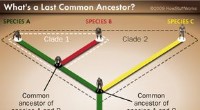
5. Molecular Phylogeny: Modern genetic analysis has confirmed that yeast belongs to the fungal kingdom, grouping it with other fungi based on similarities in their DNA sequences.
Key Differences from Other Fungi:
While sharing these core features with other fungi, yeast does differ in some ways:
* Unicellular Nature: Most yeast species are unicellular organisms, unlike many other fungi that form multicellular structures like mushrooms or molds.
* Lack of Hyphae: Yeast do not have the thread-like structures called hyphae that are characteristic of many other fungi.
In Summary:
Yeast is classified as fungi due to its eukaryotic structure, heterotrophic nature, chitinous cell wall, and shared reproductive mechanisms. While it has unique characteristics like being unicellular and lacking hyphae, its core fungal features place it firmly within the fungal kingdom.