Here's a breakdown of the key differences between unicellular and multicellular organisms:
Unicellular Organisms:
* Single-celled: Consist of only one cell that carries out all life functions.
* Simple structure: No specialized cells or tissues.
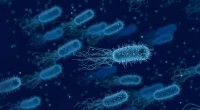
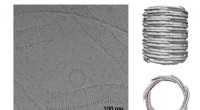
* Examples: Bacteria, archaea, protists, yeasts.
* Size: Microscopic, typically measured in micrometers.
* Reproduction: Mostly by asexual reproduction (e.g., binary fission).
* Life processes: All functions (nutrition, respiration, excretion, etc.) occur within the single cell.
* Adaptation: Must adapt to their environment as a single entity.
Multicellular Organisms:
* Multiple cells: Composed of many cells that work together to perform specific functions.
* Specialized cells: Cells are organized into tissues, organs, and organ systems.
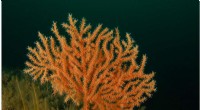
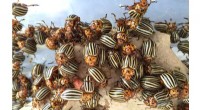
* Examples: Animals, plants, fungi.
* Size: Generally macroscopic (visible to the naked eye).
* Reproduction: Typically through sexual reproduction, with specialized cells for gamete formation.
* Life processes: Different cells contribute to specific functions, enabling more complex processes.
* Adaptation: Can adapt to changing environments through complex responses and interactions between cells.
Here's a table summarizing the key distinctions:
| Feature | Unicellular Organisms | Multicellular Organisms |
|-----------------|---------------------|-------------------------|
| Number of cells | One | Many |
| Cell structure | Simple | Specialized |
| Size | Microscopic | Macroscopic |
| Reproduction | Asexual (mostly) | Sexual |
| Life processes | Single cell | Specialized cells |
In essence, unicellular organisms are like miniature "factories" performing all life functions within a single cell. Multicellular organisms are like complex "cities" where specialized cells work together to support the organism's overall survival.