Here's a breakdown:
* "Aquatic" means "relating to water".
* "Organism" refers to any living individual, plant or animal.
Examples of aquatic organisms:
* Plants: Seagrass, seaweed, kelp, water lilies, phytoplankton
* Animals: Fish, whales, dolphins, jellyfish, crabs, lobsters, starfish, sea turtles, amphibians, freshwater snails
* Microorganisms: Bacteria, algae, zooplankton
Key characteristics of aquatic organisms:
* Adaptations for life in water: Aquatic organisms have evolved specific traits to survive in their watery environment, such as gills for breathing, fins for swimming, streamlined bodies, and the ability to regulate their buoyancy.
* Importance to ecosystems: Aquatic organisms play a crucial role in maintaining the balance of their respective ecosystems, providing food sources, cleaning the water, and contributing to the overall health of the planet.
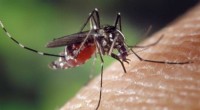
Note: The term "aquatic organism" encompasses all life forms that inhabit water, including those that spend only part of their lives in water, like amphibians and some insects.