1. Visualization of the Unseen:
* Before microscopes: Scientists could only speculate about the structure of living things. They knew organisms were made of smaller parts, but couldn't see them.
* With microscopes: Suddenly, scientists could see the tiny structures that make up living things. They could observe the individual cells, their shapes, and their internal components like the nucleus, cytoplasm, and cell wall. This was a major breakthrough, as it provided concrete evidence for the existence of cells.
2. Cell Theory and its Foundations:
* Early observations: Early microscopists, like Robert Hooke, Antonie van Leeuwenhoek, and Robert Brown, made crucial observations using microscopes. Hooke saw and named "cells" in cork tissue, while Leeuwenhoek observed bacteria and other single-celled organisms. Brown discovered the nucleus in plant cells.
* Cell theory: These observations paved the way for the development of the cell theory, one of the most fundamental principles in biology. This theory states that all living organisms are composed of cells, that cells are the basic unit of life, and that all cells arise from pre-existing cells.
3. Understanding Cell Function:
* Observation of processes: Microscopes allowed scientists to observe cellular processes in action, such as cell division, movement, and the interaction of organelles.
* Specialized cells: With improved microscopes, scientists could see how cells differ in structure and function based on their role in the organism. This helped to understand how specialized cells form tissues and organs.
* Disease mechanisms: Microscope observations revealed how cells were affected by disease, leading to a better understanding of how diseases develop and spread.
4. Advances in Microscopy and Cell Research:
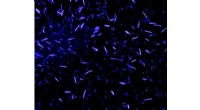
* Improved technology: Over time, microscopes have become increasingly powerful and sophisticated. Light microscopes, electron microscopes, and fluorescence microscopes have enabled scientists to see finer details of cellular structure and even visualize molecules within cells.
* Current research: Modern microscopes are used extensively in cell biology research, helping to unravel complex cellular processes like DNA replication, protein synthesis, and communication between cells.
In conclusion, the invention of the microscope was a cornerstone in our understanding of cells. It opened a whole new world of biological discovery and continues to be crucial for advancing our knowledge about the building blocks of life.