* Plasma membrane: This is a phospholipid bilayer that encloses the cytoplasm and regulates the passage of molecules into and out of the cell.
* Cytoplasm: This is the gel-like substance that fills the cell and contains the cell's genetic material, ribosomes, and other cellular components.
* Ribosomes: These are small, complex structures that are responsible for protein synthesis.
* DNA: This is the genetic material of the cell and is usually found in a single, circular chromosome.
* Cell wall: This rigid structure surrounds the plasma membrane and provides structural support and protection for the cell.
While these are the structures always found in bacterial cells, some other components might be present depending on the specific bacterial species and its environment. These include:
* Capsule: A slimy layer outside the cell wall that can provide protection from the immune system and help the bacteria adhere to surfaces.
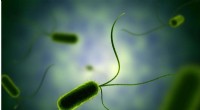
* Flagella: Long, whip-like structures that help the bacteria move.
* Pili: Hair-like structures that can help the bacteria attach to surfaces or other bacteria.
* Endospores: Dormant, resistant structures that allow the bacteria to survive harsh environmental conditions.
It's important to remember that while most bacteria have these structures, there are always exceptions and variations within the vast diversity of the bacterial world.