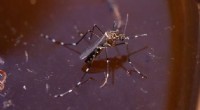
* Biological vectors are living organisms that transmit infectious agents (like bacteria, viruses, parasites) from one host to another. Examples include mosquitoes (malaria), ticks (Lyme disease), and fleas (plague).
* Trees are plants, and while they can be hosts to various pathogens and insects, they don't actively transmit those pathogens to other organisms in the way that a biological vector does.
Here's how trees can be involved in disease transmission, but not as vectors:
* Habitat for vectors: Trees can provide shelter and breeding grounds for insects that are biological vectors, like mosquitoes or ticks. This indirectly contributes to disease transmission.
* Host for pathogens: Some tree species can be hosts to pathogens that can then be transmitted to other plants or animals, but the tree itself doesn't actively transmit the pathogen.
In short, trees are not biological vectors because they don't actively transfer pathogens from one host to another. They can play a role in disease transmission through providing habitat for vectors or being hosts themselves, but they don't act as the direct carriers of infection.