Symbiotic relationships can be categorized into three main types:
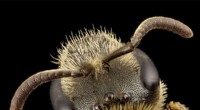
* Mutualism: Both organisms benefit from the relationship. (e.g., bees and flowers)
* Commensalism: One organism benefits, while the other is neither harmed nor helped. (e.g., barnacles on whales)
* Parasitism: One organism benefits at the expense of the other. (e.g., tapeworms in humans)
It's important to note that symbiosis doesn't always have to be permanent. Some relationships can be temporary or facultative (optional).