Here's why:
* ATP is the universal energy currency of cells. It's like the "money" that cells use to pay for all their energy-requiring processes, such as:
* Building new molecules
* Moving substances across cell membranes
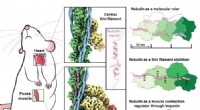
* Muscle contraction
* Nerve impulse transmission
* ATP is produced by breaking down food molecules (like glucose) in a process called cellular respiration. This process releases energy, which is then used to attach a phosphate group to ADP (adenosine diphosphate), creating ATP.
* When cells need energy, they break down ATP into ADP and a phosphate group, releasing the stored energy. This energy is then used to power cellular work.
So, while food provides the initial energy, ATP is the molecule that cells actually use to perform their vital functions.