1. Climate:
* Temperature: Average temperature throughout the year plays a crucial role. Warm temperatures support tropical rainforests, while cold temperatures favor tundra.
* Precipitation: The amount and distribution of rainfall greatly influence plant and animal life. High rainfall sustains rainforests, while low rainfall leads to deserts.
* Seasonality: Fluctuations in temperature and rainfall throughout the year create distinct seasons, influencing the types of plants and animals that can survive.
2. Latitude:
* Distance from the equator: Biomes tend to be arranged in latitudinal bands. Tropical rainforests are found near the equator, while temperate forests are further away.
* Sunlight intensity: Sunlight intensity decreases with increasing latitude, impacting temperature and overall energy availability.
3. Altitude:
* Elevation: As altitude increases, temperature decreases, mimicking the effect of latitude. This leads to changes in vegetation and animal life.
* Exposure: Mountain slopes facing different directions receive varying amounts of sunlight, influencing microclimates and vegetation patterns.
4. Soil:
* Nutrient content: The availability of nutrients in the soil affects plant growth and overall ecosystem productivity.
* Soil type: Different soil types have varying water-holding capacity and drainage, influencing plant species composition.
5. Other Factors:
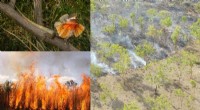
* Fire frequency: In some areas, fire is a natural disturbance that influences vegetation and creates specific habitats.
* Human activity: Deforestation, agriculture, and urbanization can alter biomes and lead to changes in species diversity.
It's important to note that these factors are interconnected and work together to create unique biomes. For example, a region with high rainfall and warm temperatures is likely to develop a tropical rainforest biome, but if the soil is nutrient-poor, the rainforest may be less diverse and productive.
The combination of these factors creates a specific set of environmental conditions that determine the type of biome that exists in a particular area.