The theory of evolution, the idea that life on Earth has changed over time through descent with modification, is supported by an overwhelming amount of evidence from various fields of biology. Here's a breakdown of some key supporting evidence:
1. Fossil Record:
* Transitional fossils: Fossils showcasing intermediate stages between ancestral and descendant forms, like the evolution of whales from land mammals.
* Extinction patterns: Fossils show organisms disappearing and reappearing in the fossil record, aligning with the idea of extinction and diversification.
* Fossil dating: Radiometric dating methods allow us to pinpoint the ages of fossils, revealing the chronological order of life forms and their changes.
2. Anatomical Evidence:
* Homologous structures: Similar structures in different organisms with different functions, like the bones in a human arm, a bat wing, and a whale flipper, suggest common ancestry.
* Vestigial structures: Structures with reduced or no function in an organism, like the appendix in humans or the pelvic bones in snakes, are remnants of features that were functional in their ancestors.
* Comparative anatomy: Comparing the anatomical features of different organisms highlights similarities and differences that point towards evolutionary relationships.
3. Molecular Evidence:
* DNA and protein similarities: The genetic code, DNA, and the proteins it encodes show striking similarities across diverse organisms, even those seemingly unrelated.
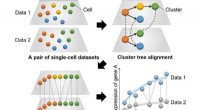
* Phylogenetic trees: By analyzing DNA and protein sequences, we can construct evolutionary trees that depict the relationships between species, revealing their common ancestors.
* Mutations and genetic drift: The accumulation of mutations and genetic drift over time can lead to genetic differences between populations, eventually contributing to speciation.
4. Biogeographical Evidence:
* Distribution of species: Organisms found in geographically isolated locations often share unique characteristics, suggesting they evolved in isolation from other populations.
* Adaptive radiation: The rapid diversification of a species into numerous forms occupying different niches, often observed in isolated environments like islands.
5. Direct Observation:
* Antibiotic resistance in bacteria: Bacteria quickly evolve resistance to antibiotics due to natural selection, a prime example of evolution in action.
* Artificial selection: Humans have bred plants and animals for desired traits, demonstrating the power of selection in shaping organisms.
* Evolutionary experiments: Studies on fruit flies and other organisms in controlled environments have shown the evolution of new traits within a few generations.
Key Points:
* These diverse lines of evidence, each offering independent support, collectively paint a compelling picture of evolution as the underlying mechanism for the diversity and complexity of life on Earth.
* The theory of evolution is not simply a hypothesis but a well-supported scientific theory based on numerous lines of evidence.
* Ongoing research constantly refines our understanding of evolutionary processes, but the core principles of descent with modification and natural selection remain robust.
It's crucial to emphasize that evolution is not simply a theory, but a scientific fact supported by overwhelming evidence. It's a fundamental concept in biological science, providing a framework for understanding the history and diversity of life on Earth.