1. Chromatin:
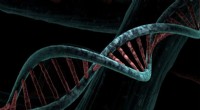
* DNA is wrapped around proteins called histones to form structures called nucleosomes.
* Nucleosomes are like beads on a string, where the "string" is the DNA and the "beads" are the histone proteins.
* This string of nucleosomes further coils and folds to form a 30-nanometer fiber.
* This 30-nanometer fiber is then organized into loops that are attached to a protein scaffold called the nuclear matrix.
2. Euchromatin and Heterochromatin:
* Euchromatin is loosely packed chromatin that is actively transcribed (being used to make proteins). It appears less dense under a microscope.
* Heterochromatin is tightly packed chromatin that is not actively transcribed. It appears denser under a microscope.
3. Overall Appearance:
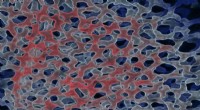
* During interphase, the chromatin is spread throughout the nucleus, giving it a diffuse appearance under a microscope.
* You cannot see individual chromosomes during interphase.
Why is this important?
* Efficient packaging: This organized structure allows for the efficient packing of a massive amount of DNA (about 6 feet!) into the tiny nucleus of a cell.
* Accessibility for transcription: Euchromatin is loosely packed, allowing for easy access by enzymes that read and transcribe the DNA.
* Regulation of gene expression: The level of packing can influence gene expression. Heterochromatin, being tightly packed, is generally not transcribed.
In short, during interphase, DNA isn't just a jumbled mess but is organized into a complex structure that facilitates its functions and ensures proper gene expression.