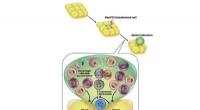
Here's why this is crucial:
* Cell Specialization: Different cell types in a multicellular organism perform different functions. Gene regulation allows cells to express only the genes necessary for their specific roles, leading to specialization.
* Developmental Control: Gene regulation is essential for development, ensuring that genes are switched on and off in the correct sequence to create tissues and organs.
* Response to Environment: Cells need to adapt to changes in their environment. Gene regulation allows cells to respond to stimuli like nutrients, stress, and hormones by altering gene expression.
* Cellular Efficiency: Producing only the proteins needed at a specific time saves energy and resources for the cell.
* Preventing Errors: Uncontrolled gene expression can lead to errors in cellular processes and potentially harmful consequences like cancer.
In summary, gene regulation is essential for maintaining cellular homeostasis, enabling development, and ensuring proper responses to environmental changes. It is a complex and highly regulated process that involves multiple levels of control, including:
* Transcriptional Regulation: Controlling the rate at which genes are transcribed into RNA.
* Post-Transcriptional Regulation: Modifying RNA molecules after transcription, affecting their stability and translation.
* Translational Regulation: Controlling the rate at which mRNA is translated into proteins.
* Post-Translational Regulation: Modifying proteins after translation, affecting their activity and stability.
By tightly controlling gene expression, eukaryotes ensure that their cells function optimally and maintain a healthy state.