Here's how fungi obtain energy:
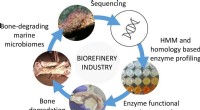
1. Secreting Enzymes: Fungi release enzymes into their surroundings that break down complex organic molecules (like cellulose in wood, or proteins in animals) into simpler compounds.
2. Absorption: The fungi then absorb these simpler molecules through their cell walls.
3. Metabolic Processes: They then utilize these absorbed nutrients for energy and growth.
Fungi can be classified into two main categories based on how they obtain energy:
1. Saprotrophic fungi: These fungi break down dead organic matter, such as fallen leaves, decaying wood, or animal carcasses. They are essential for recycling nutrients in ecosystems.
2. Parasitic fungi: These fungi obtain nutrients from living organisms, often harming their host in the process. Examples include athlete's foot fungus, rust fungi on plants, and the cordyceps fungus that attacks insects.
3. Mutualistic fungi: These fungi form symbiotic relationships with other organisms, where both partners benefit. For example, mycorrhizal fungi live in association with plant roots, helping them absorb nutrients from the soil, while the plants provide the fungi with sugars.
In summary, fungi obtain energy by breaking down organic matter through a process of enzymatic digestion and absorption. They play vital roles in ecosystems as decomposers, parasites, and mutualists.