1. Autotrophs: These organisms produce their own food through photosynthesis. They use sunlight, water, and carbon dioxide to create their own energy source (sugars). Examples include plants, algae, and some bacteria.
2. Heterotrophs: These organisms consume other organisms for energy. They can be further categorized into:
* Herbivores: Eat only plants.
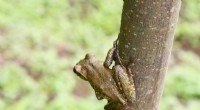
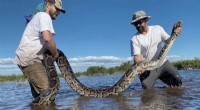
* Carnivores: Eat only other animals.
* Omnivores: Eat both plants and animals.
* Detritivores: Feed on dead organic matter.
3. Mixotrophs: These organisms can switch between autotrophic and heterotrophic modes of feeding depending on the environment and resources available. Examples include some protists and bacteria.