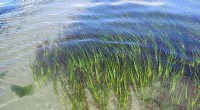
* Plants: All plants use photosynthesis to make their own food and energy.
* Algae: These include a wide range of organisms, from single-celled diatoms to large kelp forests.
* Cyanobacteria: These are bacteria that have the ability to photosynthesize, and are thought to be responsible for the oxygenation of the Earth's atmosphere billions of years ago.
Key Points:
* Photosynthesis is the process of using sunlight, carbon dioxide, and water to produce glucose (sugar) and oxygen. This glucose is then used to create ATP, the energy currency of cells.
* Photoautotrophs are organisms that can make their own food through photosynthesis. They are the primary producers in most ecosystems, providing energy for the rest of the food chain.
While some bacteria use different forms of energy production (like chemosynthesis), only photoautotrophs produce ATP directly from sunlight.