* Building blocks: Both DNA and RNA are made up of nucleotides. Each nucleotide consists of a sugar molecule, a phosphate group, and a nitrogenous base.
* Sugar: While the sugar in DNA is deoxyribose, the sugar in RNA is ribose. These sugars differ slightly in their chemical structure.
* Nitrogenous bases: Both DNA and RNA use the bases adenine (A) and guanine (G). However, DNA uses cytosine (C) and thymine (T), while RNA uses cytosine (C) and uracil (U).
* Function: Both DNA and RNA play crucial roles in the processes of life:
* DNA: Stores genetic information and acts as a blueprint for protein synthesis.
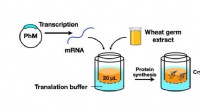
* RNA: Involved in translating genetic information from DNA into proteins.
* Genetic information: Both molecules carry genetic information in the sequence of their nitrogenous bases.
Here's a table summarizing the key similarities and differences:
| Feature | DNA | RNA |
|---|---|---|
| Sugar | Deoxyribose | Ribose |
| Nitrogenous bases | Adenine (A), Guanine (G), Cytosine (C), Thymine (T) | Adenine (A), Guanine (G), Cytosine (C), Uracil (U) |
| Structure | Double helix | Single strand |
| Location | Primarily in the nucleus | Found in the nucleus, cytoplasm, and ribosomes |
| Function | Stores genetic information, blueprint for protein synthesis | Translates genetic information into proteins |
In essence, DNA and RNA are like cousins. They share many characteristics, but they also have distinct differences that allow them to fulfill their unique roles in the cell.