1. Identifying desirable traits: They carefully observe and choose individuals that exhibit the traits they want to enhance.
2. Selecting parents: They use only these individuals with the desired traits to breed the next generation.
3. Breeding: The selected parents are allowed to reproduce, passing on their genes to their offspring.
4. Evaluating offspring: The offspring are examined for the presence and strength of the desired traits.
5. Repeating the process: This process of selecting and breeding continues over multiple generations, concentrating the desired traits and eliminating undesirable ones.
Key concepts involved in selective breeding:
* Artificial selection: Breeders intentionally choose which individuals will reproduce, as opposed to natural selection, where nature determines which individuals are more successful.
* Genetics: Selective breeding relies on the principles of genetics, understanding how traits are inherited and passed down from parents to offspring.
* Variation: Natural variation exists within a population, and breeders exploit this variation to select for desirable traits.
Examples of selective breeding:
* Dogs: Breeders have developed hundreds of different dog breeds with specific traits for companionship, work, or aesthetics.
* Cattle: Farmers select for cattle with high milk production or meat yield.
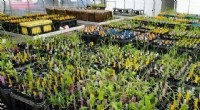
* Plants: Breeders create new varieties of crops with disease resistance, increased yield, or improved nutritional content.
Note: While selective breeding can be effective in maintaining desired traits, it can also lead to reduced genetic diversity and an increased susceptibility to diseases.