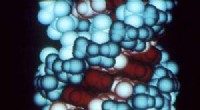
1. DNA as the Blueprint: The genetic code for a protein is stored within a specific region of DNA called a gene. This gene contains a sequence of nucleotides (adenine, thymine, guanine, and cytosine).
2. Transcription: From DNA to RNA: The first step in protein synthesis is transcription. Here, the DNA sequence of the gene is copied into a molecule of messenger RNA (mRNA). This mRNA molecule carries the genetic code from the nucleus to the ribosomes, where protein synthesis takes place.
3. Translation: From RNA to Protein: The mRNA molecule then undergoes translation. Ribosomes read the mRNA sequence in groups of three nucleotides called codons. Each codon corresponds to a specific amino acid.
4. Amino Acid Chain Formation: Transfer RNA (tRNA) molecules bring the appropriate amino acids to the ribosome based on the codons in the mRNA. The ribosome connects these amino acids together in a specific order, forming a polypeptide chain.
5. Folding and Modification: Once the polypeptide chain is complete, it folds into a specific three-dimensional structure. This structure is essential for the protein's function. The protein may also undergo further modifications, such as the addition of sugars or lipids.
Therefore, the DNA sequence of the gene ultimately determines the order of amino acids in the protein, and this sequence determines the protein's final structure and function.
In summary:
* DNA sequence: The starting point, containing the code for the protein.
* Transcription: Copying the DNA code into mRNA.
* Translation: Reading the mRNA code and assembling the amino acid chain.
* Folding: The protein achieving its specific 3D shape.
This intricate process ensures that the right protein is produced based on the genetic instructions encoded within DNA.