1. Movement of Energy and Matter:
* Nutrient Cycling: Ecosystems exchange nutrients, such as nitrogen, phosphorus, and carbon. For instance, nutrients from a terrestrial ecosystem can be washed into an aquatic ecosystem through runoff.
* Water Cycle: Water evaporates from aquatic ecosystems, condenses in the atmosphere, and falls as rain in terrestrial ecosystems. This cycle connects all ecosystems.
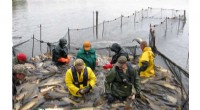
* Migration: Animals migrate between ecosystems, transporting nutrients and energy. For example, salmon migrate from the ocean to freshwater streams to spawn, bringing marine-derived nutrients to inland ecosystems.
2. Species Interactions:
* Species Range: The boundaries of ecosystems are not always rigid, and species may move between them. This allows for gene flow and the exchange of genetic diversity.
* Predator-Prey Relationships: Predators from one ecosystem may hunt prey in another, impacting both populations. For example, owls from forests may prey on rodents in agricultural fields.
* Competition: Species from different ecosystems may compete for resources, such as food, water, or space. For example, introduced species can outcompete native species in new ecosystems.
3. Physical Connections:
* Boundaries: Ecosystems often blend into each other, creating transition zones known as ecotones. These zones can harbor unique species adapted to the conditions of both ecosystems.
* Environmental Gradients: Factors like altitude, temperature, and precipitation create gradients across ecosystems. This leads to gradual changes in species composition and ecological processes.
* Connectivity: Corridors, such as rivers or mountain ranges, can connect ecosystems, allowing for the movement of species and the flow of energy and matter.
4. Disturbance and Change:
* Natural Disturbances: Fires, floods, and volcanic eruptions can impact multiple ecosystems. These disturbances can create opportunities for new species to colonize and reshape the landscape.
* Human Activities: Deforestation, pollution, and climate change can have significant impacts on multiple ecosystems. These activities can alter species interactions, disrupt nutrient cycles, and lead to ecosystem collapse.
Impact of Ecosystem Interactions:
The interactions between ecosystems are crucial for the health and resilience of the biosphere. They promote:
* Biodiversity: A diversity of ecosystems supports a greater diversity of species.
* Stability: Ecosystem interactions help to buffer against disturbances and maintain ecological balance.
* Ecosystem Services: Interactions contribute to vital ecosystem services, such as pollination, water purification, and climate regulation.
Understanding these interactions is essential for conservation efforts and managing human impacts on the environment. We need to consider the interconnectedness of ecosystems and work to maintain the natural flow of energy and matter across these boundaries.