Here's a breakdown:
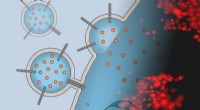
* Cell membrane: The outer layer of a cell, also known as the plasma membrane, acts as a barrier between the cell's interior and its surroundings. It's selectively permeable, meaning it allows some substances to pass through while blocking others.
* Transport proteins: These proteins are embedded within the cell membrane. They act as "gatekeepers," facilitating the movement of specific molecules across the membrane. There are two main types:
* Channel proteins: These act like tunnels, forming a pathway through the membrane for specific molecules to pass.
* Carrier proteins: These bind to specific molecules and transport them across the membrane by changing shape.
Here are some examples of what transport proteins do:
* Import nutrients: Cells need essential nutrients like glucose, amino acids, and ions to survive. Transport proteins bring these molecules into the cell.
* Export waste products: Cells produce waste products during metabolism, and transport proteins remove them from the cell.
* Maintain cell homeostasis: Transport proteins help regulate the concentration of ions and other molecules inside and outside the cell, ensuring the cell functions properly.
In summary, transport proteins play a crucial role in maintaining the cell's internal environment and allowing it to interact with its surroundings.