* Vector control: This involves reducing the population of vectors through methods like:
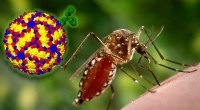
* Insecticide spraying: Used to kill mosquitoes, flies, and other insects that carry diseases.
* Larvicides: Applied to breeding grounds to kill mosquito larvae.
* Trapping: Used to capture and remove rodents and other animals that carry diseases.
* Personal protection: This involves taking steps to avoid being bitten by vectors, such as:
* Using insect repellent: Repellents containing DEET, picaridin, or lemon eucalyptus oil can help to keep insects away.
* Wearing long sleeves and pants: This can help to protect skin from mosquito bites.
* Using bed nets: Mosquito nets treated with insecticide can help to prevent bites while sleeping.
* Environmental sanitation: This involves reducing the breeding grounds for vectors by:
* Eliminating standing water: Mosquitoes breed in stagnant water, so removing sources of standing water can help to reduce their population.
* Keeping garbage and food scraps covered: This can prevent rodents from accessing food and spreading disease.
* Maintaining vegetation: Keeping lawns and gardens trimmed can reduce hiding places for rodents and other vectors.
* Vaccination: This can help to protect people from certain diseases transmitted by animal vectors, such as rabies and Lyme disease.
Other important actions include:
* Educating the public: Raising awareness about the importance of vector control and personal protection can help to reduce the spread of diseases.
* Developing new control methods: Research into new and innovative methods for controlling vectors is crucial for preventing future outbreaks of vector-borne diseases.
By taking these actions, we can significantly reduce the risk of transmission of pathogens by animal vectors and protect ourselves and our communities from serious illness.