Here's a breakdown:
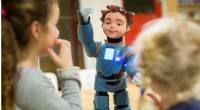
* Anthropomorphism: Derived from the Greek words "anthropos" (human) and "morphe" (form), it means attributing human characteristics, emotions, or behaviors to non-human entities, including animals, objects, or even abstract concepts.
Examples of Anthropomorphism:
* Talking animals: In stories and movies, animals like Mickey Mouse, Simba, or even Winnie the Pooh are often depicted as having human-like personalities, emotions, and speech.
* Personified objects: A car that "smiles" at you or a clock that "ticked away the hours" are examples of objects given human-like qualities.
* Nature personification: In literature, we often see wind "whispering," storms "raging," or the sun "smiling."
Why is Anthropomorphism Used?
* To make stories more engaging: Giving human characteristics to non-human entities makes them more relatable and interesting to audiences.
* To convey abstract concepts: Personifying objects or animals can help illustrate abstract ideas like time, nature, or even feelings.
* To create humor: Anthropomorphism can be used for comedic effect, like when a car complains about traffic or a tree makes sarcastic comments.
Anthropomorphism is a powerful literary device and can be found across cultures and throughout history. It's a way of making the world around us more meaningful and engaging.