Here's why:
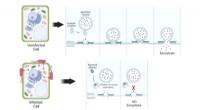
* Active transport moves substances against their concentration gradient, meaning from an area of low concentration to an area of high concentration. This requires energy, usually supplied by ATP, and the assistance of carrier proteins embedded in the cell membrane.
Let's contrast this with other absorptive processes:
* Passive diffusion: Movement of substances across the cell membrane from high to low concentration, without the need for energy or carriers.
* Facilitated diffusion: Movement of substances across the cell membrane from high to low concentration, assisted by carrier proteins but without requiring energy.
Examples of nutrients transported by active transport in the small intestine include:
* Glucose: Active transport is used to absorb glucose against its concentration gradient, ensuring a sufficient supply of this vital energy source for the body.
* Amino acids: Active transport is essential for absorbing amino acids, the building blocks of proteins, from the small intestine.
* Some vitamins and minerals: Specific carriers are used to transport certain vitamins and minerals against their concentration gradients.
Let me know if you'd like more information about any of these processes!