Animals:
* Herbivores: These animals eat plants directly, obtaining their energy from the plant's stored sugars. Examples include cows, deer, rabbits, and butterflies.
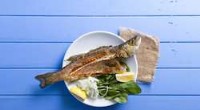
* Carnivores: These animals eat other animals, which in turn have obtained their energy from plants. Examples include lions, sharks, hawks, and snakes.
* Omnivores: These animals eat both plants and animals. Examples include humans, bears, pigs, and rats.
* Detritivores: These animals eat dead organic matter, such as decaying plants and animals. This process helps break down organic matter and release nutrients back into the ecosystem. Examples include earthworms, dung beetles, and crabs.
Fungi:
* Saprophytes: These fungi obtain their nutrients from dead organic matter, such as fallen leaves, dead trees, and animal carcasses. They play a vital role in decomposition.
* Parasites: These fungi live on or in living organisms, obtaining their nutrients from their host. Examples include athlete's foot fungus and rust fungi that attack plants.
* Mutualists: These fungi live in a mutually beneficial relationship with another organism, often a plant. The fungus provides nutrients to the plant, and the plant provides sugars to the fungus. Examples include mycorrhizae, which form a symbiotic relationship with plant roots.
In summary, all heterotrophs (including animals and fungi) depend on autotrophs (plants and some bacteria) for their food energy. They either consume autotrophs directly or consume other heterotrophs that have already consumed autotrophs.