Marine Life:
* Fish: Ingesting plastic debris can lead to starvation, choking, and internal injuries.
* Sea Turtles: Mistaking plastic bags for jellyfish, sea turtles can ingest them, leading to intestinal blockage and starvation.
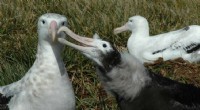
* Sea Birds: Seabirds often mistake plastic for food, leading to starvation and death. They also ingest small plastic pieces, which can accumulate in their stomachs and lead to health problems.
* Whales: Whales can get entangled in fishing nets and other debris, which can cause suffocation, drowning, or severe injuries.
* Plankton: Microplastics can interfere with the growth and reproduction of plankton, which forms the base of the marine food web.
Land Animals:
* Birds: Birds can become entangled in plastic or ingest it, leading to starvation and death.
* Mammals: Animals like deer and rabbits can become entangled in plastic debris, leading to injuries and death. They can also ingest plastic, which can cause digestive problems.
* Insects: Plastic debris can disrupt insect habitats and harm insects that rely on specific plants for food or shelter.
Other Organisms:
* Plants: Littering can damage plants, block sunlight, and prevent seed germination.
* Bacteria and Fungi: Plastic debris can provide a surface for harmful bacteria and fungi to grow, which can then contaminate the environment.
Overall, littering has a detrimental impact on the entire ecosystem, affecting the food chain, biodiversity, and the health of all living organisms.