1. Microorganisms:
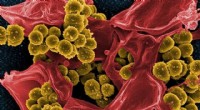
* Bacteria: These tiny single-celled organisms are incredibly diverse and vital for soil health. Examples include nitrogen-fixing bacteria (convert atmospheric nitrogen into usable forms), decomposers (break down dead organic matter), and disease-causing bacteria.
* Fungi: From microscopic molds to macroscopic mushrooms, fungi play crucial roles in breaking down organic matter, forming symbiotic relationships with plants, and influencing nutrient cycling.
* Actinomycetes: These bacteria-like organisms are important for decomposing tough materials like lignin (found in wood) and producing antibiotics.
* Protozoa: These single-celled eukaryotes graze on bacteria, fungi, and other protozoa, helping regulate microbial populations.
* Algae: Some algae can thrive in the soil, contributing to oxygen production and contributing to the food web.
2. Invertebrates:
* Nematodes: Tiny roundworms, some are parasitic, others are beneficial, feeding on bacteria, fungi, and other nematodes.
* Earthworms: These well-known creatures improve soil structure by burrowing and casting, aiding in aeration, drainage, and nutrient distribution.
* Insects: Various insects live in the soil, including beetles, ants, termites, and springtails. They contribute to decomposition, aeration, and pollination.
* Mites and Ticks: These small arthropods can be either beneficial (feeding on decaying matter) or harmful (parasitic).
* Snails and Slugs: These mollusks can be both pests and beneficial depending on their diet and the ecosystem.
3. Vertebrates:
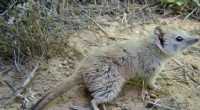
* Rodents: Mice, voles, and other rodents can live in the soil, contributing to seed dispersal and nutrient cycling but can also be pests.
* Amphibians: Frogs, toads, and salamanders may spend part of their life cycle in soil, hunting for insects and other invertebrates.
* Reptiles: Some snakes, lizards, and turtles may burrow in the soil for shelter or to hunt for prey.
4. Plants:
* Roots: The roots of plants are a vital part of the soil ecosystem, anchoring plants, absorbing nutrients, and providing food for soil organisms.
* Mycorrhizae: Fungi that form symbiotic relationships with plant roots, helping them access nutrients and water.
Factors influencing soil organisms:
* Soil type: Different soil types support different types of organisms.
* Climate: Temperature, precipitation, and sunlight influence the distribution of soil organisms.
* Human activity: Land use practices, pollution, and agricultural practices can significantly impact soil ecosystems.
Understanding the diverse life in the soil is crucial for maintaining healthy ecosystems and supporting sustainable agriculture.