1. Nutrient Input:
* Rivers and Streams: Soil erosion contributes significantly to the nutrient load in rivers and streams. Runoff from agricultural fields, construction sites, and other land uses carries fertilizers, pesticides, and organic matter into aquatic ecosystems. These nutrients can fuel algal blooms and other changes in the water's ecosystem.
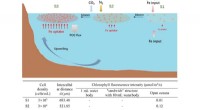
* Oceanic Upwelling: The movement of nutrient-rich water from the ocean floor to the surface is driven by winds and currents. This upwelling often originates from deep-ocean sediments that are heavily influenced by the erosion and weathering of soil on land.
2. Sedimentation:
* Rivers and Estuaries: Soil particles transported by rivers settle in estuaries and contribute to the formation of deltas and mudflats. These habitats are critical for many aquatic organisms, providing food sources, shelter, and breeding grounds.
* Coral Reefs: Coral reefs are incredibly sensitive to sedimentation. Soil runoff can smother corals, preventing them from accessing sunlight and hindering their growth.
3. Hydrological Connections:
* Groundwater Recharge: Water infiltrates through soil and replenishes groundwater aquifers. This groundwater flows into rivers, streams, and even coastal waters, providing a significant source of freshwater for aquatic ecosystems.
* Water Quality: The quality of soil affects the quality of water that flows into aquatic ecosystems. Contamination from pesticides, herbicides, and other pollutants can harm aquatic organisms.
4. Land-Based Food Chains:
* Insects: Many aquatic insects spend a portion of their lifecycle on land, feeding on terrestrial plants or soil organisms. This connection contributes to the flow of energy from terrestrial ecosystems to aquatic ecosystems.
* Birds and Mammals: Many birds and mammals that depend on aquatic ecosystems for food and shelter also rely on terrestrial habitats for nesting, breeding, and raising their young.
Conclusion:
While aquatic organisms don't directly extract nutrients from soil like land-based plants, they are still dependent on soil in many indirect ways. The quality and health of soil directly impact the health and resilience of aquatic ecosystems.