1. Abiotic Factors (Non-living Components):
* Climate: This is the most significant factor defining a biome. It includes temperature, precipitation, humidity, wind patterns, and sunlight intensity.
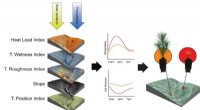
* Topography: The shape of the land, including elevation, slope, and aspect, influences microclimates and habitat diversity.
* Soil: Different biomes have unique soil types with varying nutrient content, texture, and drainage.
* Water: The availability and distribution of water, whether it be from rainfall, rivers, lakes, or groundwater, directly impacts plant and animal life.
2. Biotic Factors (Living Components):
* Plants: The dominant plant species define a biome's character. This includes trees, shrubs, grasses, and other plant communities.
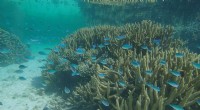
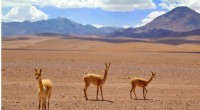
* Animals: Each biome supports a unique array of animal life, including mammals, birds, reptiles, amphibians, fish, and insects, all adapted to the specific conditions.
* Microorganisms: Bacteria, fungi, and other microscopic organisms play crucial roles in decomposition, nutrient cycling, and soil formation.
3. Interrelationships and Feedback Loops:
* Food Webs: Biotic components are interconnected through complex food webs, where energy flows through different trophic levels.
* Nutrient Cycling: Organisms recycle essential nutrients like nitrogen and phosphorus, ensuring the continued functioning of the ecosystem.
* Competition and Symbiosis: Interactions between organisms, such as competition for resources and symbiotic relationships, shape the community structure.
4. Boundaries and Transition Zones:
* Ecotone: The boundary between two adjacent biomes is rarely a sharp line. Instead, a transition zone called an ecotone exists, characterized by a blend of features from both biomes.
* Ecological Gradient: Biomes often exhibit gradual changes in their characteristics along environmental gradients, like elevation or latitude.
5. Human Impacts:
* Climate Change: Human activities are altering global climate patterns, impacting biome distribution and species diversity.
* Habitat Loss and Degradation: Deforestation, urbanization, and pollution are destroying and fragmenting natural habitats, threatening biome integrity.
* Introduced Species: Non-native species can disrupt ecosystems and lead to biodiversity loss.
Understanding these interconnected parts helps us appreciate the complexity and importance of world biomes, as well as the challenges they face due to human activities.