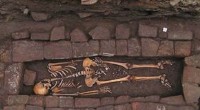
* Fossils form through a process called permineralization. This involves the organism being buried in sediment, which then protects it from decay and allows minerals to replace the original organic material.
* Without burial, an organism is exposed to the elements. This means it will decompose quickly due to bacteria, fungi, and scavengers.
While traditional fossilization is the most common way, there are a few exceptions, though these are very uncommon:
1. Amber: Some insects and small animals can become trapped in tree resin. Over time, the resin hardens into amber, preserving the organism in its entirety. This is a fantastic way to see preserved soft tissues!
2. Freezing: In very cold environments, organisms can become frozen and preserved for extended periods. This is how mammoths have been found with their fur, flesh, and even internal organs still intact.
It's important to note that while these are alternative ways to preserve organisms, they are still forms of taphonomy, the study of how organisms become fossilized. They represent the rare occasions when the right environmental conditions occur to bypass the usual burial requirement.