Producers:
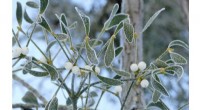
* Autotrophs: These organisms are the foundation of the ecosystem, capable of converting sunlight into usable chemical energy through photosynthesis. Examples include plants, algae, and some bacteria.
Consumers:
* Herbivores: Organisms that feed directly on producers. Examples include rabbits, deer, and caterpillars.
* Carnivores: Organisms that feed on other animals. Examples include lions, wolves, and hawks.
* Omnivores: Organisms that feed on both plants and animals. Examples include humans, bears, and raccoons.
* Detritivores: Organisms that feed on dead organic matter. Examples include earthworms, millipedes, and dung beetles.
Decomposers:
* Bacteria and fungi: These organisms break down dead organic matter, releasing nutrients back into the ecosystem for producers to use.
Energy Loss:
* Heat: With each transfer of energy from one organism to another, some energy is lost as heat. This is a consequence of the laws of thermodynamics.
Important Note: This is a simplified view of energy flow. In reality, ecosystems are complex and interconnected. For example, there can be multiple levels of consumers (primary, secondary, tertiary) and interactions between different trophic levels (food webs).