Here's how it works:
1. Variation: Organisms within a population have slight differences in their traits, such as size, color, or behavior.
2. Competition: Individuals compete for resources like food, water, shelter, and mates.
3. Survival of the Fittest: Organisms with traits better suited to their environment are more likely to survive, reproduce, and pass on those traits to their offspring.
4. Adaptation: Over generations, the frequency of advantageous traits increases in the population, leading to adaptation.
In essence, natural selection is a process where nature "selects" the organisms best suited for their environment. This continuous cycle of variation, competition, and adaptation drives the evolution of species and helps them survive in a changing world.
Here are some examples of how this process helps organisms survive:
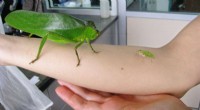
* Camouflage: A chameleon changing its color to blend in with its surroundings to avoid predators.
* Anti-Predator Defenses: A porcupine's quills deter predators.
* Resource Efficiency: A cactus having shallow roots to quickly absorb rainwater in a desert environment.
By constantly adapting to their environment, organisms increase their chances of survival and passing on their genes to future generations.