1. Cyanobacteria:
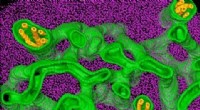
* These are photosynthetic bacteria that are found in a wide variety of aquatic environments, including lakes, oceans, and even some soils.
* They possess the enzyme nitrogenase, which allows them to convert atmospheric nitrogen (N2) into ammonia (NH3), a form usable by other organisms.
* Some notable examples are *Anabaena*, *Nostoc*, and *Trichodesmium*.
2. Nitrogen-fixing bacteria associated with other organisms:
* These bacteria live in symbiotic relationships with various organisms, including:
* Diatoms: Certain species of diatoms form symbiotic relationships with nitrogen-fixing bacteria, providing them with a protected environment and organic compounds while receiving fixed nitrogen in return.
* Sponges: Sponges can harbor diverse microbial communities, including nitrogen-fixing bacteria.
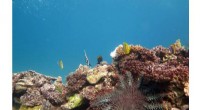
* Other invertebrates: Certain invertebrates like corals and anemones also harbor nitrogen-fixing bacteria in their tissues.
Factors Affecting Nitrogen Fixation:
* Sunlight: Cyanobacteria, being photosynthetic, require sunlight for nitrogen fixation.
* Nutrients: Nitrogen fixation requires other nutrients, such as phosphorus and iron.
* Oxygen: Nitrogenase is sensitive to oxygen, so nitrogen-fixing organisms often develop strategies to minimize oxygen exposure.
Importance of Nitrogen Fixation:
Nitrogen is a key element for life, and its fixation is essential for supporting the growth and productivity of aquatic ecosystems. The fixed nitrogen from these organisms becomes available to other organisms in the food chain, contributing to the overall health and biodiversity of the aquatic environment.