Traditional Methods:
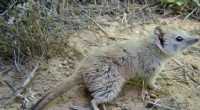
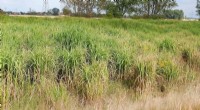
* Field Observations: Direct observation of organisms and their environment in their natural habitat. This can include:
* Transects and Quadrats: Sampling areas to estimate population density and distribution.
* Mark-Recapture: Tagging organisms to estimate population size and movement patterns.
* Phenology: Observing seasonal changes in plant and animal life.
* Specimen Collection and Analysis: Collecting samples of organisms, soil, water, etc., for identification, analysis of their composition, and to study their physiology and genetics.
* Physiological Measurements: Measuring physiological parameters like heart rate, body temperature, and oxygen consumption to understand how organisms respond to their environment.
* Microscopy: Observing small organisms and structures, including bacteria, cells, and tissues.
Modern Technologies:
* Remote Sensing: Using satellites, drones, and aircraft to collect data about the environment from afar. This includes:
* Aerial Photography: Taking pictures of landscapes and habitats to monitor changes over time.
* LiDAR: Using lasers to create 3D maps of the terrain and vegetation.
* Satellite Imagery: Analyzing images from satellites to study vegetation cover, land use, and other environmental features.
* Geographic Information Systems (GIS): Combining spatial data from various sources to create maps and analyze relationships between environmental factors.
* Global Positioning Systems (GPS): Tracking the movements of organisms and studying habitat use.
* Sensors and Monitoring Devices: Deploying sensors in the environment to collect data on temperature, humidity, light, water quality, and other variables.
* Acoustic Monitoring: Using underwater microphones to record the sounds of marine life.
* Automated Weather Stations: Measuring weather parameters like temperature, rainfall, and wind speed.
* Molecular Biology and Genetics: Analyzing DNA and RNA to:
* Genetic Diversity: Assessing the genetic variation within and between populations.
* Species Identification: Identifying organisms based on their DNA sequences.
* Ecological Interactions: Studying how organisms interact based on their genetic makeup.
* Modeling and Simulation: Using computer programs to simulate ecological processes and predict the effects of environmental change.
Other Technologies:
* Bioacoustics: Studying the sounds produced by organisms to understand their communication and behavior.
* Isotopes: Analyzing the chemical composition of organisms and the environment to understand their diet, movement, and environmental conditions.
* Stable Isotope Analysis: Used to trace the flow of energy and nutrients through ecosystems.
* Citizen Science: Engaging members of the public in data collection and analysis.
The technologies used in ecology are constantly evolving as new tools and methods are developed. This allows ecologists to gather more data, analyze it more effectively, and gain a deeper understanding of the complex relationships within ecosystems.