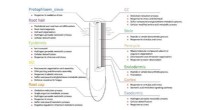
Here's how it works:
* Antibodies: These are proteins produced by specialized immune cells called B cells. They bind to specific antigens (foreign substances like viruses or bacteria) and mark them for destruction by other immune cells.
* Specialized cells: The immune system relies on various cells, including:
* B cells: Produce antibodies.
* T cells: Attack infected cells directly or help other immune cells work better.
* Macrophages: Engulf and destroy pathogens.
* Neutrophils: Kill bacteria and other invaders.
* Natural killer (NK) cells: Destroy infected or cancerous cells.
The immune system works in two ways:
* Innate immunity: This is the body's first line of defense, offering a rapid response to pathogens. It includes physical barriers like skin, chemical defenses like stomach acid, and cells like macrophages and neutrophils.
* Adaptive immunity: This is a more specific response, involving the production of antibodies and the activation of specialized T cells to target specific pathogens. This response also creates memory cells that can quickly fight off the same pathogen if it re-enters the body.
Together, these elements of the immune system work in a complex and coordinated way to protect us from a wide range of infectious diseases.