Vertebrates are a subphylum of chordates, meaning they belong to a group of animals that have a notochord at some point in their development. The notochord is a flexible rod that supports the body. Here are some defining characteristics of vertebrates:
Key Features of Vertebrates:
* Backbone (Vertebral Column): This is the most defining feature, composed of a series of bones called vertebrae that protect the spinal cord.
* Skull: Encases and protects the brain.
* Internal Skeleton (Endoskeleton): A framework made of bone or cartilage that provides support and structure.
* Muscular System: Complex muscles for movement.
* Closed Circulatory System: Blood is pumped through a heart and vessels.
* Well-developed Brain: More complex than invertebrates.
* Sensory Organs: Well-developed eyes, ears, and other sensory organs.
* Bilateral Symmetry: Body can be divided into two mirror-image halves.
Examples of Vertebrates:
* Fish (e.g., tuna, sharks)
* Amphibians (e.g., frogs, salamanders)
* Reptiles (e.g., lizards, snakes, turtles)
* Birds (e.g., eagles, sparrows)
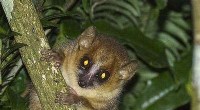
* Mammals (e.g., humans, whales, elephants)
In Summary:
Vertebrates are a diverse group of animals that share a common ancestor and have key characteristics that distinguish them from other animals.