1. A Simplified Framework:
* Growth: This stage focuses on physical development and increasing size. It's the period of rapid change, often marked by increased cell division.
* Maturity: The organism reaches its full physical potential and reproductive capability. This is the prime period for survival and reproduction.
* Decline: Physiological functions begin to decrease, and the organism becomes more susceptible to disease and injury.
* Death: The cessation of all biological processes, marking the end of life.
2. A More Detailed Framework (for Animals):
* Gestation (or Embryonic Development): This stage begins with fertilization and ends with birth (or hatching). It's a period of rapid cell division and differentiation.
* Juvenile: The organism grows rapidly and develops its physical and behavioral capabilities. It's often dependent on its parents for care.
* Adolescence: A period of transition between childhood and adulthood. The organism may experience rapid growth spurts and hormonal changes.
* Adulthood: The organism is fully mature and capable of reproduction. This is the most stable and predictable stage of the lifespan.
* Senescence: A gradual decline in physiological functions, leading to increased susceptibility to disease and death.
3. Plant Life Cycles:
* Seed: The dormant stage, containing the embryo and food reserves.
* Germination: The seed sprouts and develops into a seedling.
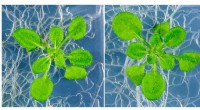
* Vegetative Growth: The plant grows its leaves, stems, and roots.
* Reproductive Growth: The plant develops flowers, fruits, or spores, allowing for sexual reproduction.
* Senescence: The plant's growth slows down, and it may eventually die.
Important Notes:
* Species Variability: Each organism has a unique lifespan and may experience stages differently. For example, insects often have a very short lifespan compared to mammals.
* Environmental Influence: The length and characteristics of different life stages can be influenced by environmental factors like food availability, climate, and predation.
* Lifespan Models: The "five stages" concept is a simplification. Some organisms experience additional stages, like metamorphosis in insects.
Understanding these stages helps us understand the complex processes of life, growth, and death in the diverse world of organisms.