Producers: These are organisms that convert inorganic carbon (CO2) into organic carbon. They form the base of the food web and include:
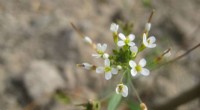
* Photosynthetic organisms: Plants, algae, and some bacteria use sunlight to convert CO2 into sugars through photosynthesis.
* Chemosynthetic organisms: Some bacteria use energy from chemical reactions to convert CO2 into organic compounds, often found in deep sea vents.
Consumers: These organisms obtain carbon by consuming other organisms. They include:
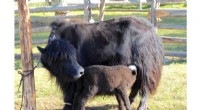
* Herbivores: Animals that eat plants, directly consuming the organic carbon produced by producers.
* Carnivores: Animals that eat other animals, obtaining carbon indirectly from producers.
* Omnivores: Animals that eat both plants and animals, consuming carbon from multiple sources.
Decomposers: These organisms break down dead organisms and waste products, releasing carbon back into the atmosphere and soil. They include:
* Fungi: Decompose dead plant and animal matter, releasing CO2 and other nutrients.
* Bacteria: Play a crucial role in breaking down organic matter, particularly in the soil.
Other important organisms:
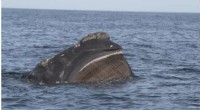
* Marine organisms: Phytoplankton, zooplankton, and marine animals contribute significantly to the carbon cycle through photosynthesis and respiration.
* Soil organisms: Microorganisms in the soil play a vital role in carbon storage and release, influencing the overall carbon balance.
Essential role of each group:
* Producers: Convert inorganic carbon into organic carbon, making it accessible for other organisms.
* Consumers: Move carbon through the food web, transferring it from one trophic level to another.
* Decomposers: Recycle carbon back into the atmosphere and soil, making it available for producers again.
In summary: All these organisms are essential for the carbon cycle. They work together to ensure the continuous flow of carbon through the environment, maintaining a balance that is vital for life on Earth.