Kingdoms:
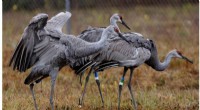
* Animals: Dogs, cats, humans, elephants, insects, fish, birds, worms
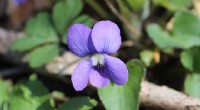
* Plants: Trees, flowers, grasses, ferns, mosses
* Fungi: Mushrooms, yeasts, molds
* Protists: Algae, amoebas, slime molds
* Bacteria: E. coli, Lactobacillus, Cyanobacteria
* Archaea: Extremophiles (living in extreme environments like hot springs or salty lakes)
Specific Examples:
Unicellular:
* Bacteria: E. coli, Streptococcus pneumoniae
* Archaea: Methanogens, Halophiles
* Protists: Amoeba, Paramecium
Multicellular:
* Animals: Humans, whales, ants, jellyfish, sponges
* Plants: Oak trees, roses, ferns, algae (seaweed)
* Fungi: Mushrooms, yeasts, mold on bread
* Fungi-like: Slime molds
Viruses: (While not technically considered living organisms, they are often studied alongside them)
* Influenza virus
* HIV (Human Immunodeficiency Virus)
* Coronavirus
Other Examples:
* Organisms found in extreme environments: Deep-sea creatures, thermophilic bacteria in hot springs
* Organisms with unique properties: Jellyfish with bioluminescence, plants that can trap insects
This is just a small sample of the vast diversity of organisms on Earth. From the microscopic to the colossal, the natural world is filled with incredible life forms, each with its own unique characteristics and adaptations.