1. Transition Zones:
* Ecotones: These are areas where two or more biomes meet and blend. They often exhibit characteristics of both biomes, making classification difficult. Examples:
* The edge of a forest and a grassland: This area might have trees scattered in the grassland or grasses growing in the forest understory.
* The transition between a desert and a savanna: This area could have dry, desert-like conditions with scattered trees characteristic of savannas.
* Mountains: Mountain ranges can have a variety of biomes, depending on elevation, slope, and aspect. They often have unique microclimates and plant communities, making a single biome classification challenging.
2. Human-Modified Landscapes:
* Urban areas: Cities and towns are heavily impacted by human activity and have very different environmental conditions than natural biomes.
* Agricultural fields: These areas are specifically designed for plant cultivation and have a unique combination of species and environmental factors.
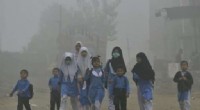
* Industrial areas: Heavy industrial zones are often characterized by air and water pollution, altered soil conditions, and limited biodiversity.
3. Aquatic Environments:
* Coral reefs: These are complex ecosystems with high biodiversity, but they are not easily categorized into traditional biomes.
* Estuaries: These areas where rivers meet the sea have a mix of freshwater and saltwater, making them distinct from both freshwater and marine ecosystems.
* Deep-sea environments: The extreme conditions of deep-sea environments, such as high pressure and lack of sunlight, make them difficult to compare to other biomes.
4. Specific Unique Habitats:
* Mangrove swamps: These unique ecosystems thrive in intertidal zones and are characterized by salt-tolerant trees.
* Wetlands: These areas include marshes, bogs, and swamps, with varying water levels and plant communities.
* Polar Regions: These areas are characterized by extremely low temperatures and limited biodiversity, but they have distinct features that set them apart from other biomes.
5. Microhabitats:
* Within a forest: Even within a single forest biome, microhabitats like the forest floor, canopy, and understory can have distinct species and conditions.
* Within a desert: A desert may have pockets of moisture around springs or oases, supporting unique plant and animal communities.
In summary:
The biome classification system is a useful tool for understanding broad patterns of life on Earth. However, it's important to remember that many areas are not easily categorized into distinct biomes due to their complex interactions, human influence, or unique characteristics.