Organisms:
* Living: Organisms are considered alive and possess the characteristics of life.
* Organized: Organisms are highly organized, with specialized cells, tissues, organs, and systems working together.
* Metabolism: They carry out a wide range of chemical reactions, including taking in nutrients, breaking them down, and releasing energy (metabolism).
* Growth and Development: Organisms grow and develop throughout their lifespan, increasing in size and complexity.
* Reproduction: Organisms can reproduce, creating new organisms similar to themselves.
* Response to stimuli: They respond to changes in their environment, such as moving towards light or away from danger.
* Adaptation and Evolution: Organisms adapt to their environment over time through evolution, passing on beneficial traits to their offspring.
* Homeostasis: They maintain a stable internal environment despite external changes (e.g., regulating body temperature).
Non-living things:
* No life: They lack the defining characteristics of life.
* No organization: They are not organized into cells or systems.
* No metabolism: They don't carry out chemical reactions for energy or growth.
* No growth and development: They don't grow or develop in the same way organisms do.
* No reproduction: They can't reproduce on their own.
* No response to stimuli: They don't respond to changes in their environment.
* No adaptation or evolution: They don't change or evolve over time.
* No homeostasis: They don't maintain a stable internal environment.
Examples:
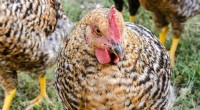
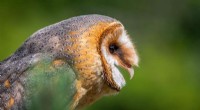
* Organisms: Plants, animals, fungi, bacteria
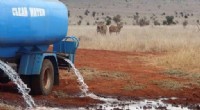
* Non-living things: Rocks, water, air, fire
Key Takeaway:
The most fundamental difference between organisms and non-living things is the presence of life. Organisms are highly complex and organized systems capable of carrying out all the essential functions of life. Non-living things lack these characteristics and are essentially inert.