Biotic factors are the living components of an ecosystem. In the aquatic biome, these include a wide variety of organisms:
1. Producers:
* Phytoplankton: Microscopic algae forming the base of most aquatic food webs. They perform photosynthesis, converting sunlight into energy.
* Macroalgae: Larger seaweed and kelp, also photosynthesizing and providing habitat for other organisms.
* Aquatic Plants: Various rooted plants, including water lilies, cattails, and reeds, offering oxygen, food, and shelter.
2. Consumers:
* Zooplankton: Tiny animals like crustaceans and rotifers that feed on phytoplankton and other small organisms.
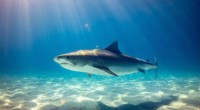
* Fish: A vast diversity of fish species ranging from tiny minnows to large sharks, occupying different trophic levels.
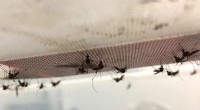
* Invertebrates: Including insects, worms, mollusks, and crustaceans, playing vital roles in the food web and decomposition.
* Amphibians: Frogs, toads, and salamanders, often found in freshwater environments, contributing to the ecosystem's balance.
* Reptiles: Some aquatic reptiles like turtles and snakes are predators and scavengers.
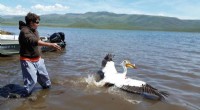
* Birds: Water birds like ducks, geese, and herons rely on the aquatic environment for food and nesting.
* Mammals: Whales, dolphins, seals, and sea otters, often found in marine environments, playing diverse roles in the ecosystem.
3. Decomposers:
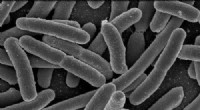
* Bacteria and Fungi: Break down dead organic matter, releasing nutrients back into the water.
* Detritivores: Animals that consume dead organic matter, such as earthworms, crabs, and snails, contributing to nutrient cycling.
Interactions and Relationships:
* Competition: Organisms compete for resources like food, space, and mates.
* Predation: Predators hunt and kill prey, regulating population dynamics.
* Parasitism: Parasites live on or in a host organism, benefiting at its expense.
* Mutualism: A mutually beneficial relationship between two species, like clownfish and anemones.
* Commensalism: One species benefits while the other is neither harmed nor helped, such as barnacles on whales.
Overall, the diverse biotic factors in the aquatic biome contribute to a complex and interconnected web of life, essential for maintaining the health and balance of the ecosystem.