1. Producers: These are organisms that can make their own food through photosynthesis, such as plants, algae, and some bacteria. They form the base of the food chain.
2. Consumers: These organisms obtain their food by consuming other organisms.
* Herbivores: Consume plants (e.g., deer, rabbits).
* Carnivores: Consume other animals (e.g., lions, wolves).
* Omnivores: Consume both plants and animals (e.g., humans, bears).
* Decomposers: Break down dead organic matter (e.g., fungi, bacteria).
3. Interactions between organisms:
* Predation: One organism (predator) kills and consumes another (prey).
* Competition: Organisms compete for resources like food, water, shelter, or mates.
* Parasitism: One organism (parasite) lives in or on another organism (host), benefiting at the host's expense.
* Mutualism: Both organisms benefit from the interaction.
* Commensalism: One organism benefits, while the other is neither harmed nor helped.
Examples of biotic factors:
* Plants: Trees, grasses, flowers, ferns
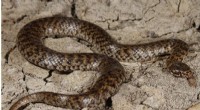
* Animals: Birds, insects, mammals, reptiles, amphibians, fish
* Fungi: Mushrooms, molds, yeasts
* Bacteria: Decomposers, nitrogen-fixing bacteria
* Viruses: Can infect and impact organisms
Biotic factors play a crucial role in shaping ecosystems by:
* Determining food webs and energy flow: The relationships between producers, consumers, and decomposers determine the flow of energy through an ecosystem.
* Influencing population dynamics: Interactions between organisms can affect population sizes and distributions.
* Creating habitats: Organisms create and modify their environments, providing shelter and resources for other species.
* Regulating nutrient cycles: Decomposers break down dead organisms and waste, returning nutrients to the ecosystem.
By understanding the biotic factors of an ecosystem, we can better understand how ecosystems function and how human activities can impact them.