Natural causes of eutrophication:
* Seasonal variations: Some ecosystems experience natural fluctuations in nutrient levels due to seasonal changes in weather, water flow, and biological activity.
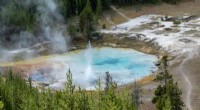
* Geological events: Volcanic eruptions, landslides, and other geological events can release large amounts of nutrients into water bodies.
* Natural weathering: Rocks naturally release nutrients over time, which can contribute to eutrophication in some cases.
* Animal waste: Large populations of naturally occurring animals, like birds or fish, can also contribute to nutrient loading in water bodies.
Human activities accelerating eutrophication:
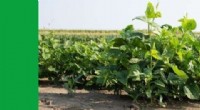
* Agricultural runoff: Fertilizers and animal waste from farms often end up in waterways, leading to increased nutrient levels.
* Industrial and urban wastewater: Wastewater discharge from factories and cities often contains high levels of nutrients.
* Atmospheric deposition: Air pollution from burning fossil fuels can contribute to nutrient loading in aquatic ecosystems.
* Intensified agriculture: Modern agricultural practices, such as monoculture and the use of synthetic fertilizers, can significantly increase nutrient runoff.
While natural eutrophication can occur, human activities have significantly accelerated the process. The scale and speed of eutrophication due to human actions are far greater than anything observed naturally in most cases.
Therefore, while eutrophication can be a natural process, human activities are primarily responsible for the widespread and detrimental impacts of eutrophication we observe today.